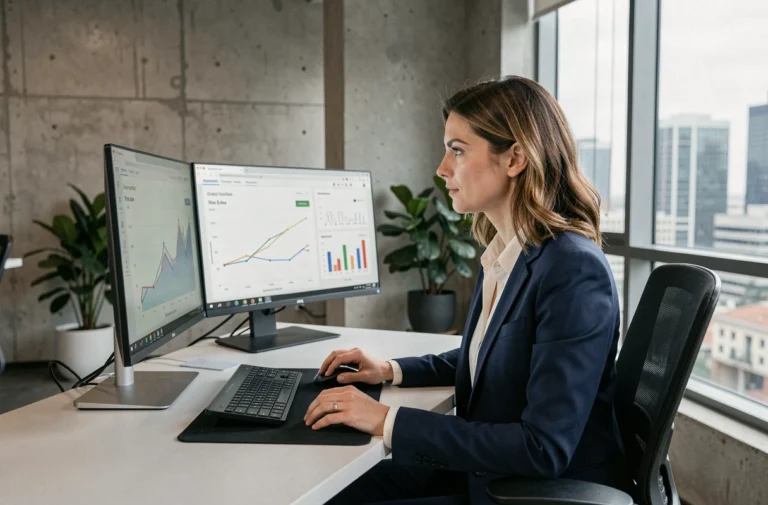
You drink two liters of water a day, meditate in the morning, and walk after lunch. And yet, some days, fatigue lingers. The heat crushes your sleep, notifications nibble away at every break, and traditional wellness advice seems to glide by without effect. The problem doesn’t stem from your willpower. It comes from the gap between recommendations designed for a calm daily life and the reality of a summer saturated with stimuli.
When heat makes wellness routines ineffective
Most health and wellness advice starts from an assumption: a temperate environment, adequate sleep, and moderate stress levels. During periods of extreme heat, these three conditions disappear simultaneously.
Even tap water is no longer a reliable ally for cooling down. In some areas, like the Nantes region, it reaches temperatures that make it lukewarm straight from the tap. Drinking “cold water” now requires planning (refrigerator, ice water bottle) that traditional guides do not mention.
The heat not only tires the body, it sabotages habits. Your morning workout becomes arduous by 8 a.m. Your evening meditation is cut short because the room is stifling. Yoga on the balcony, so often recommended, turns into a physical trial.
Adapting your routine in this context doesn’t mean “doing more” but shifting the time slots. A five-minute breathing practice in the relative cool of early morning replaces a long session scheduled at a now-hostile time. To delve deeper into these adjustments, useful information on Bien et Vous details concrete paths related to seasonal news.

Mental overload and digital noise: the stress that advice ignores
Have you ever noticed that you can end a “calm” day – without meetings, without urgency – feeling exhausted? This type of fatigue rarely comes from the body. It stems from the continuous flow of information that the brain processes without you being aware of it.
Notifications, news feeds, messages, weather alerts, calendar reminders. Each micro-interruption costs several minutes of concentration. The cumulative effect over a day represents a very real cognitive expense. Personal development content often recommends “taking time for yourself” without addressing this point: free time filled with scrolling is not rest.
Reduce noise before adding a practice
Before seeking a new relaxation routine, the first step is subtraction. Turning off non-urgent notifications for a two-hour period produces a measurable effect on perceived stress, without adding any activity to your schedule.
This logic also applies to the evening. Replacing thirty minutes of screen time with real silence (not a podcast, not a guided meditation app) gives the nervous system a recovery space that soft music does not provide. Silence is an underestimated form of care.
Micro-wellness habits: ten minutes instead of an hour
Recent approaches to daily wellness move away from the “big resolution” model to favor micro-habits. The principle is based on three simple steps.
- Identify a specific need: it’s not “I want to be less stressed” but “I want to sleep better despite the heat” or “I want to regain energy after lunch.”
- Anchor an action of less than ten minutes to an existing trigger: right after your morning coffee, just before leaving the office, right after putting down your phone in the evening.
- Track the effect over a week: note in one sentence whether energy or mood has changed, to adjust or abandon without guilt.
A micro-habit maintained for three weeks is worth more than an ambitious program abandoned in five days. This approach works particularly well in summer when motivation fluctuates with temperature and fatigue.
Concrete examples adapted to the season
Apply cold water to your wrists and neck for one minute after a meal. Practice five slow breaths, standing, with the window open at dawn before the air becomes warm. Stretch for two minutes before touching your phone in the morning.
None of these actions require equipment, an app subscription, or reorganization of your day. Effective wellness relies on consistency, not duration.

Wellness at work: an angle often separated from daily life
Content on mental health at work and personal wellness operates in silos. On one side, you read advice on managing professional stress; on the other, recommendations on sleep or relaxation. The body and mind do not make this distinction.
Recent analyses of workplace wellness show an improvement in perceived well-being among employees, but prejudices surrounding mental health in the workplace persist. Discussing fatigue or overload remains difficult in many companies.
Integrating a recovery practice into the workday (and not just in the evening or on weekends) changes the game. Five minutes of walking without a phone between meetings, a screen-free lunch break, a discreet stretch at the office: these actions are neither personal development nor HR policy, but an individual reflex.
Going beyond generic advice lists
Recommendations like “exercise,” “eat balanced,” “sleep eight hours” are not wrong. They are simply disconnected from real constraints. When the heat prevents sleep, the cafeteria offers few choices, and the schedule leaves no margin, these tips create frustration rather than progress.
- Replace the overall goal (“be fit”) with a specific target that can be modified each week.
- Accept that a seasonal routine differs radically from a winter routine.
- Evaluate a practice based on its felt effects, not its reputation.
Wellness during periods of heat and mental overload does not resemble that of magazines. It is shorter, more modest, and more grounded in reality. Adapting expectations to the real context remains the first act of self-care.