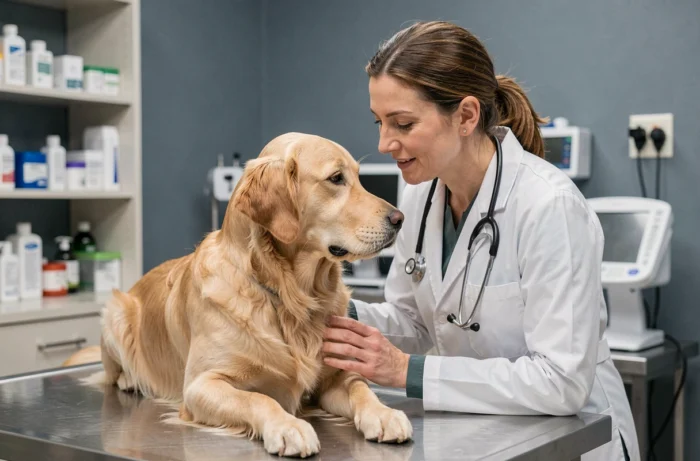
When a veterinarian spends ten minutes retrieving the vaccination history of a cat seen at another site within the same organization, the problem is not medical; it is software-related. This is exactly the type of daily friction that GMVET1 aims to eliminate by centralizing the management of veterinary clinics on a single platform accessible from a web browser.
Data Recovery and Migration to GMVET1: What the Field Reveals
We often talk about the features of veterinary software, but rarely about what happens on the day of the switch. The migration of patient records from an old system to GMVET1 remains the main point of friction for organizations taking the plunge.
Feedback on this point varies, but several teams report discrepancies between the exported data and what is actually imported. A poorly migrated record means an incomplete animal medical history, an unreported allergy, or a care protocol interrupted without a trace.
To limit the damage, a practical approach is to test the recovery on a sample of records before the full switch. We select about twenty representative patient files (dog, cat, small pet if the organization follows them), initiate the import, and then compare line by line with the old system. This step produces a discrepancy report that allows adjustments to be made before the general deployment.
An article from Pharmavia published in August 2026 emphasizes the need to plan a rollback scenario in case of a failed migration. This advice, stemming from the experience of transitioning to GmVet 2, applies equally to organizations still on GMVET1 that are considering consolidating their data. You can discover the benefits of GMVET1 on Ado PCJE to better understand the functional scope of the platform.
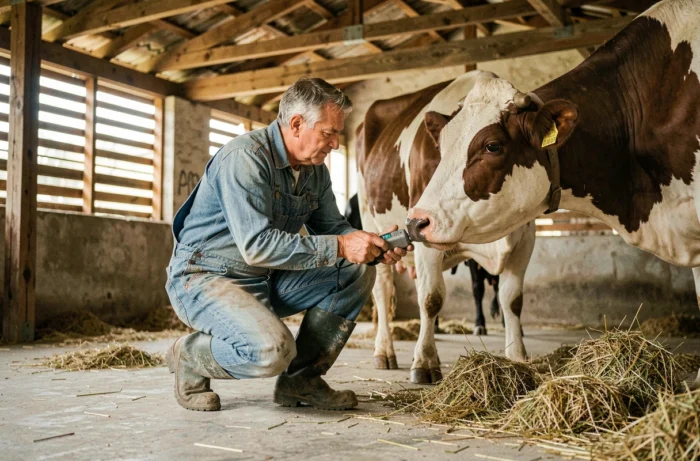
Multi-Site Veterinary Management: How GMVET1 Structures Animal Data Sharing
An isolated clinic can operate with a spreadsheet and good will. As soon as you move to two sites or more, real-time sharing of patient records becomes an operational necessity.
GMVET1 operates online, without local installation. The veterinary team accesses the records from any connected workstation, whether it’s a Mac, PC, or Linux tablet. This architecture eliminates the classic problem of files stored on a local server inaccessible from the second site.
What This Changes in Daily Operations
A veterinary assistant who receives an emergency dog at site B can immediately access the history entered at site A. Test results, ongoing treatments, and vaccination reminders appear without phone calls or email transfers of files.
For growing organizations, adding a new site can be configured in just a few minutes according to the publisher. User profiles (veterinarians, veterinary assistants, substitutes) are set up with distinct access levels, preventing a temporary substitute from altering care protocols validated by the permanent team.
- Unified access to patient records (dog, cat, small pet) regardless of the consultation site
- Automatic backup and updates, without intervention from the on-site team
- Fine management of user rights to secure animal health data
Real Cost of Cloud Veterinary Software: The Pricing Structure No One Details
The pricing of cloud-based veterinary management software follows a clear trend: detailed segmentation by site, practitioner, and optional module. GMVET1 is no exception to this logic, and it’s a point to anticipate before committing.
According to information published by Pharmavia regarding GmVet 2, the 2026 pricing structure revolves around several variables. The base cost depends on the number of sites. Each additional veterinarian adds a line to the budget. Technical support, rural modules, or data consultation APIs are charged as options.
Anticipating the Real Budget Before Signing
Before comparing offers, list the concrete items:
- Number of current and projected sites over the next two years
- Number of veterinarians and veterinary assistants who will use the software simultaneously
- Specific modules needed (veterinary health program, rural management, supplier integration)
- Desired level of support (hotline, field technical delegate, initial training)
A common trap is to compare only the entry price. Two software programs displaying a similar base price can diverge significantly once options are activated. The actual monthly cost depends on the complete configuration of the organization, not the catalog price.

GMVET1 Facing Digital Regulatory Evolution in Health
The regulatory ecosystem surrounding health data is tightening, and veterinary software is not entirely exempt. The rise of digital prescriptions in human medicine creates a precedent that gradually influences the standards expected in animal health.
For organizations using GMVET1, this translates into a practical question: is the software ready to integrate new data exchange formats if regulations evolve? API compliance and formats are becoming a selection criterion on par with ergonomics or price.
Clinics that invest today in a cloud tool like GMVET1 are betting on the publisher’s ability to keep up with these developments without service disruption. It’s a long-term commitment that goes beyond the simple question of daily animal welfare.
The choice of veterinary management software rarely hinges on a single feature. What makes the difference between an adopted tool and one abandoned after six months is the quality of the initial migration, the clarity of the real cost, and the ability to absorb the growth of an organization without reconfiguring everything.